Dawn Health
I co-created the Design System that powers every app Dawn Health builds
At Dawn Health, every new client project meant creating new styles, components and structures from scratch. I pitched the idea of a shared design system and, together with my colleague, built the first versions of it.
2024
≈ 2 months to V.1.
Lead Product Designer
Design systems
Multi-brand systems
The problem
Five designers, on five different projects, doing the same work five times.
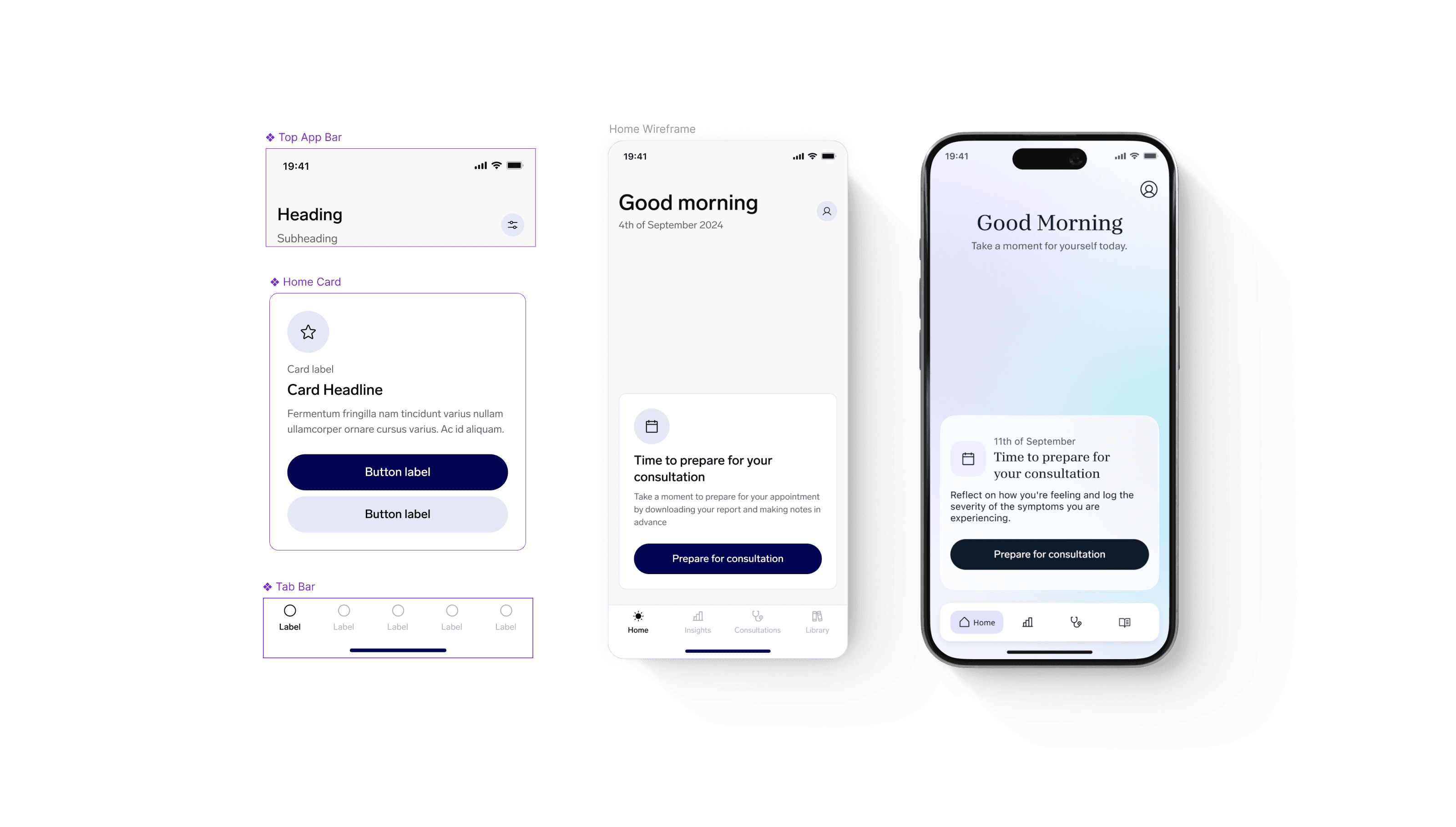
Dawn runs multiple projects in parallel, each for a different client with its own brand, visual identity, and patient audience. Every new project meant a designer had to spent a couple of weeks in total just on setup:
Setting up file structures took significant time away from actual design work
Variables, styles & components were being recreated from scratch every time.
Wireframes varied so much across projects that nothing was reusable.
Developers had to relearn file naming and structure for every new handover and designers couldn’t easily jump in to help across projects.
The solution
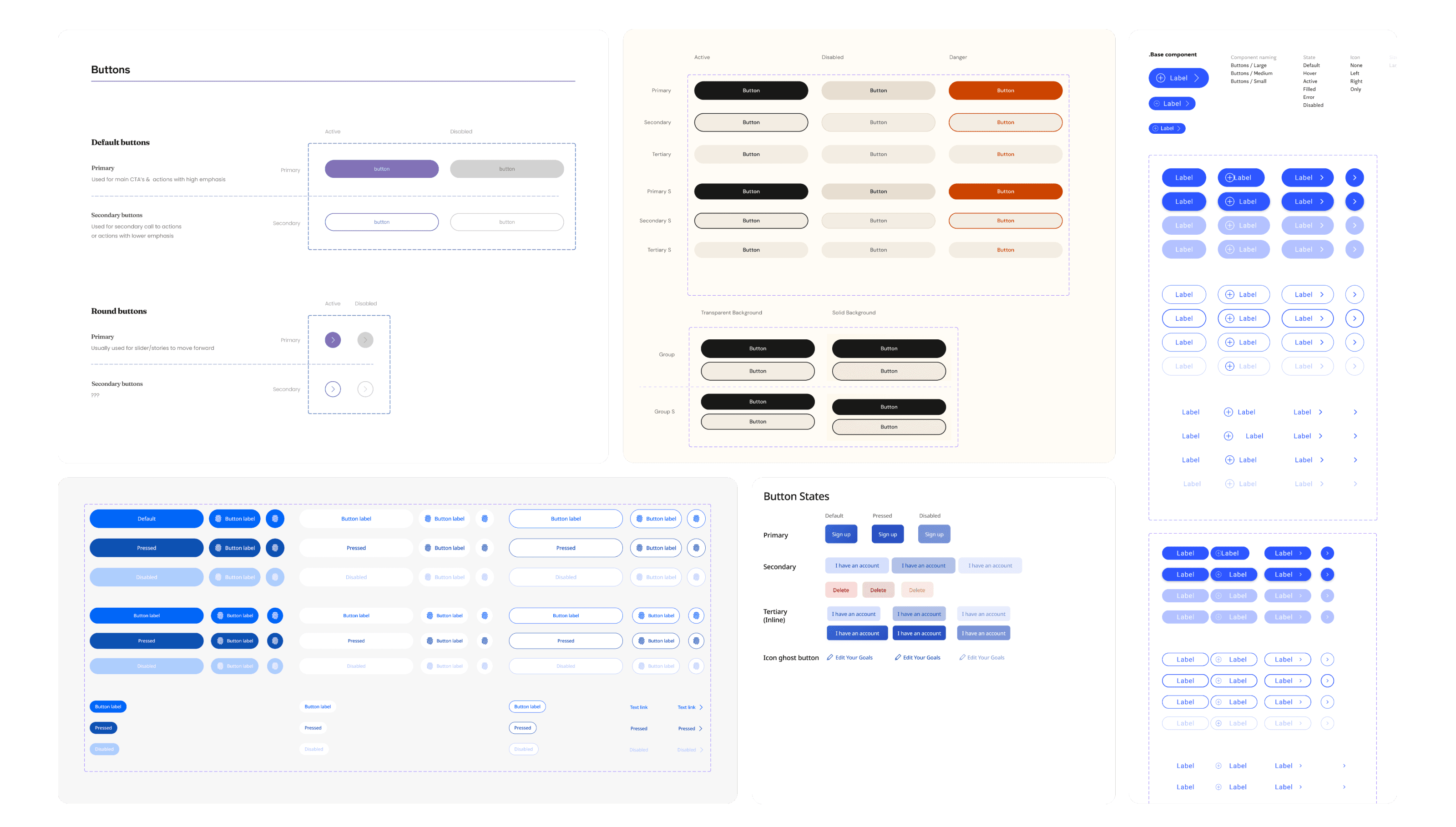
One foundational Design System that could be configured to any client’s brand.
Following the release, every project started from the same reliable base: same style & variable naming, same components, structure and setup. It enabled faster design and development, allowing more time for the creative part of the process.
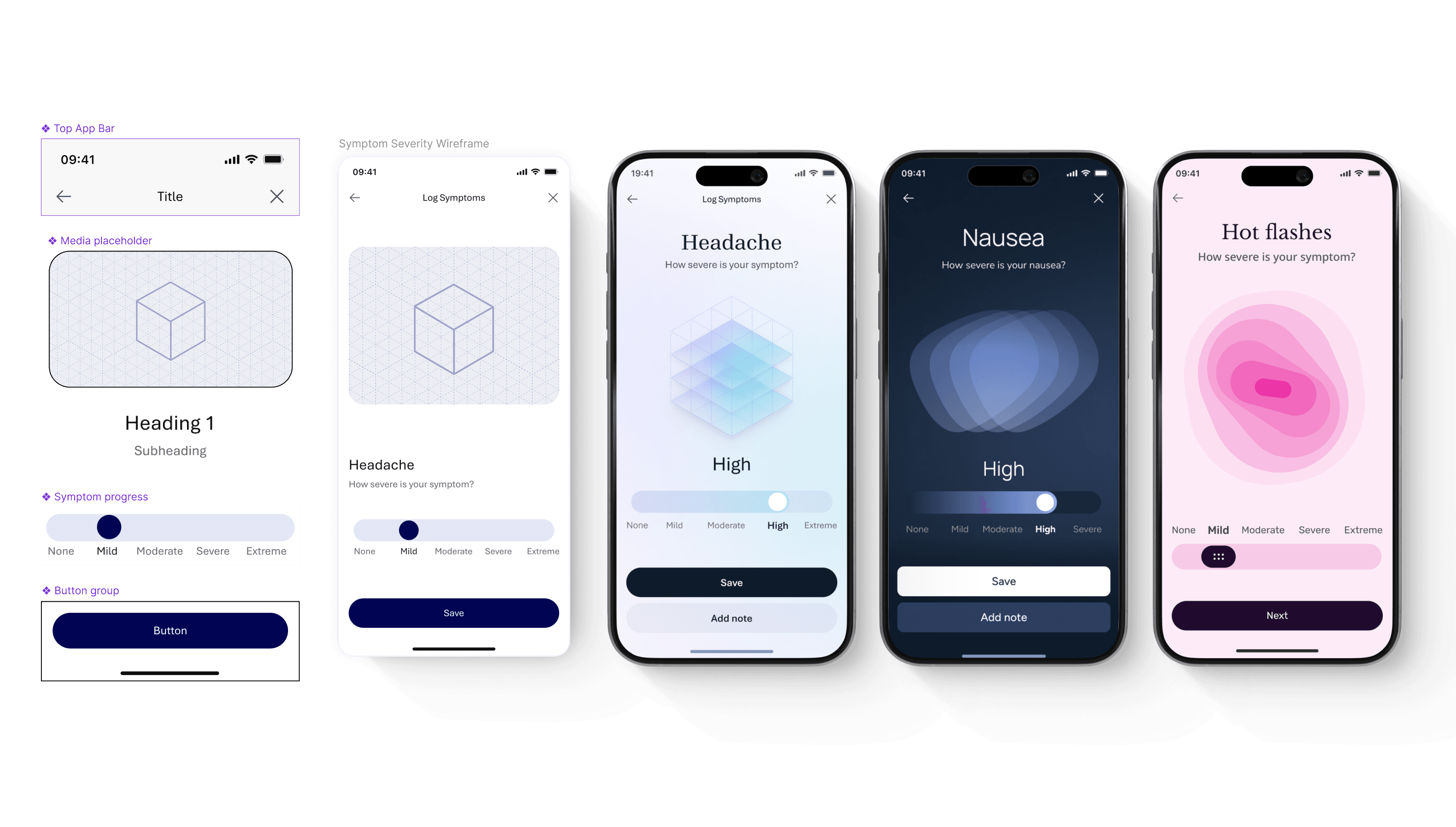
The system also doubled as our wireframing library, letting us share and test concepts with clients without revealing the final brand direction.
The how
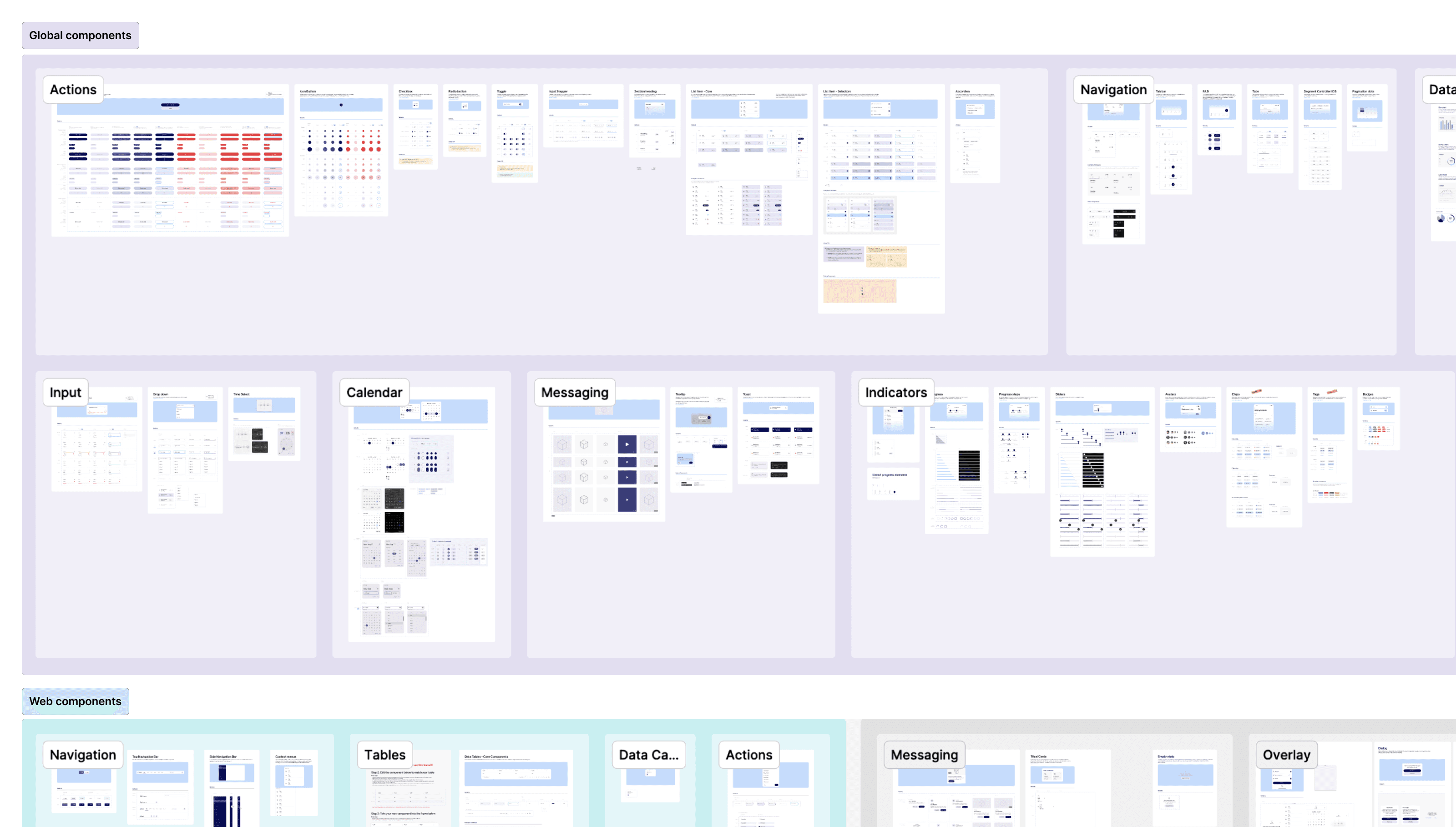
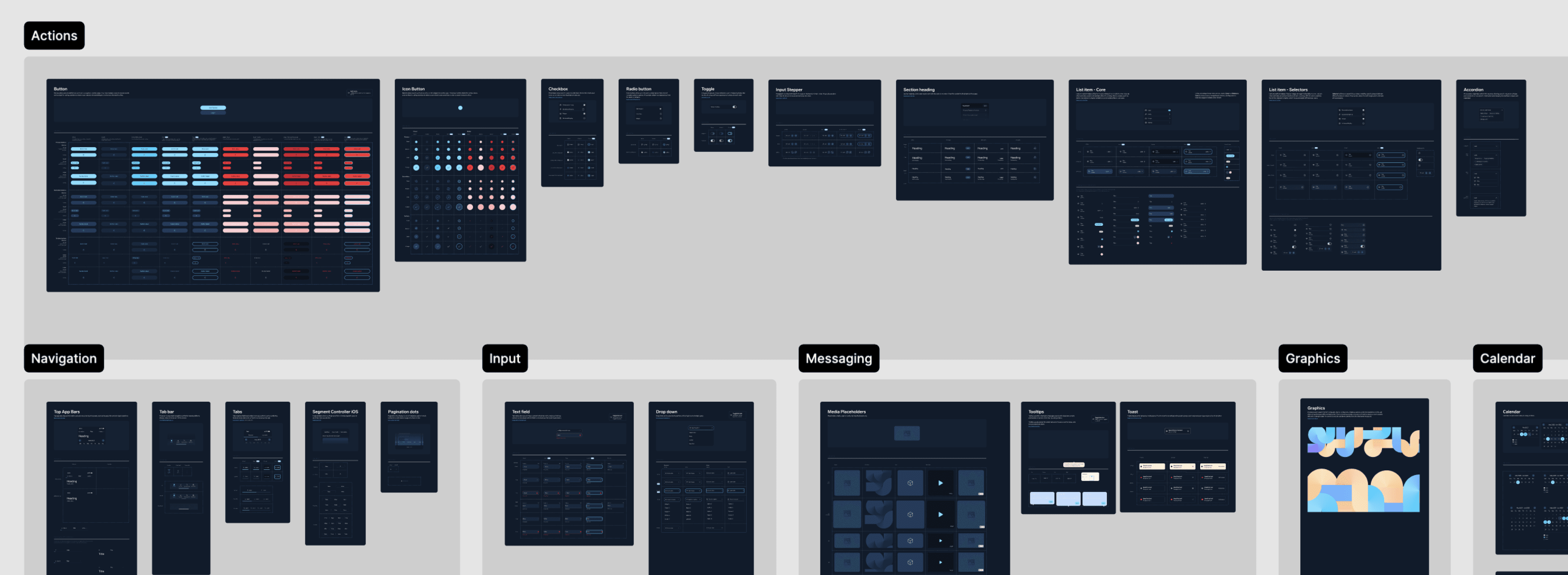
Starting point: A library of the core components found across all previous projects.
Having built a design system before at Learningbank, I knew the biggest risk wasn't building too little but building too much, and ending up with irrelevant components.
We deliberately scoped V1 to the components that appeared in every project, leaving edge cases for later. I focused on the structural foundation (variables, naming conventions, cross-project consistency) while my colleague built out most of the components we prioritized.
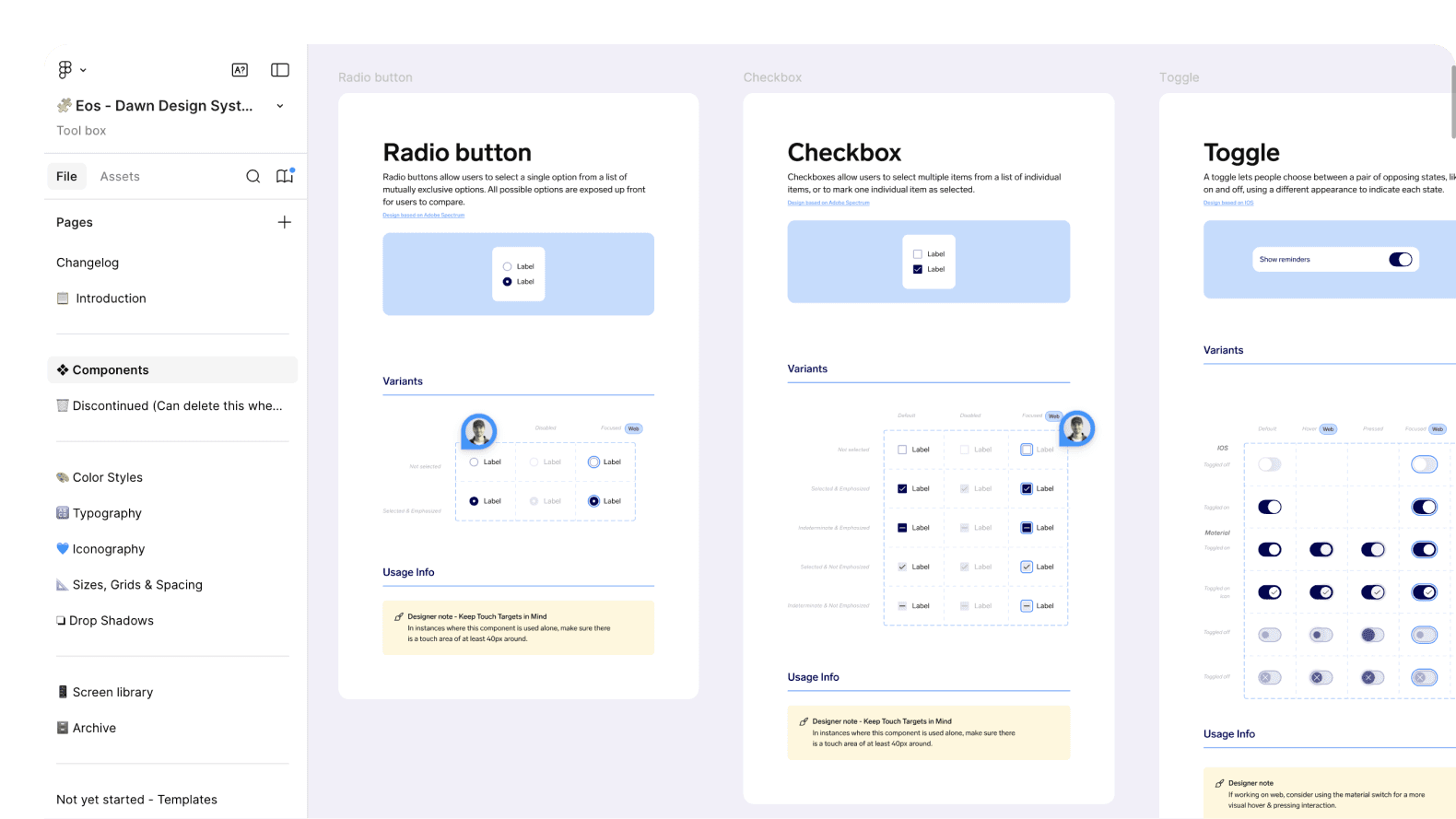
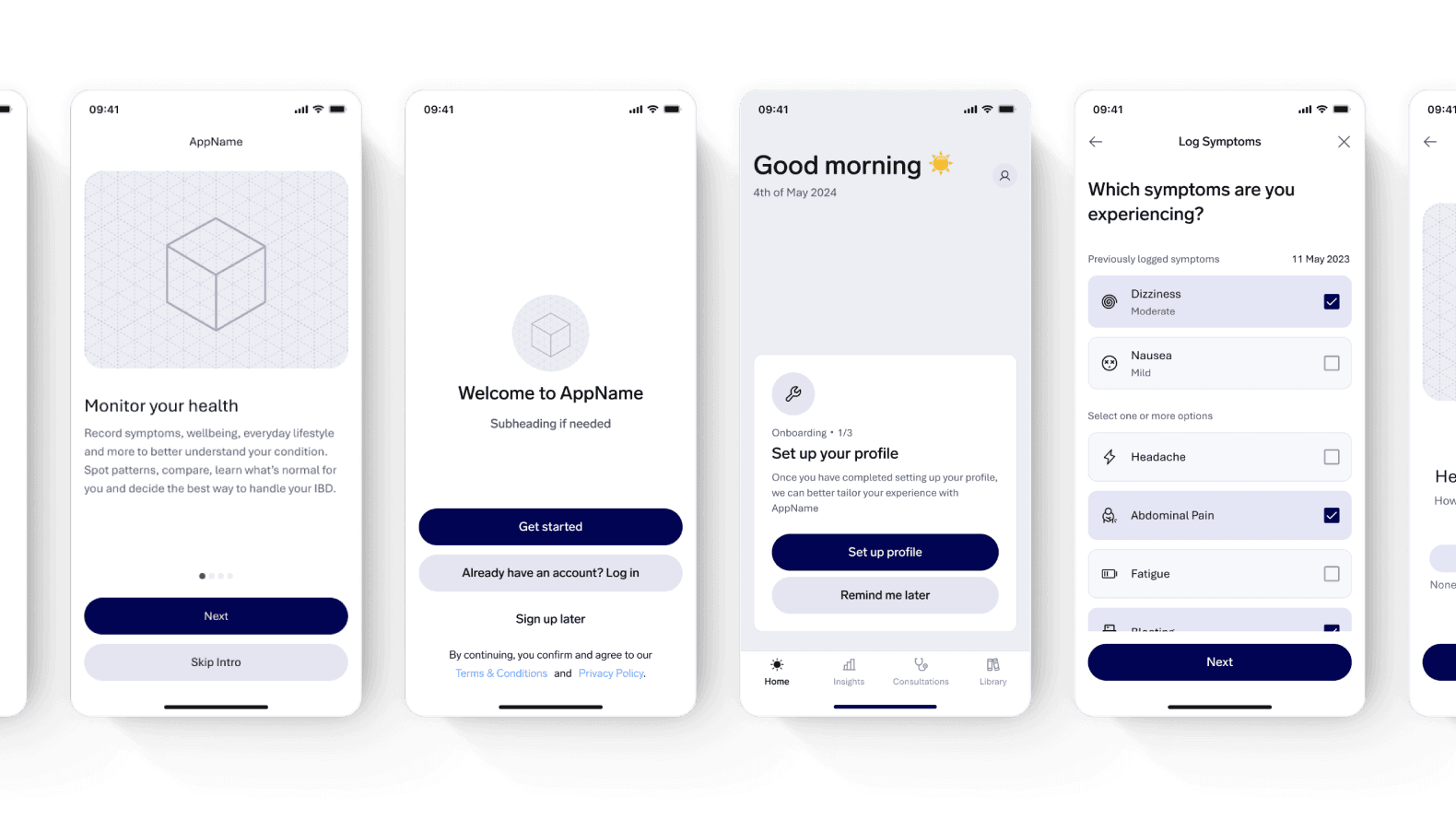
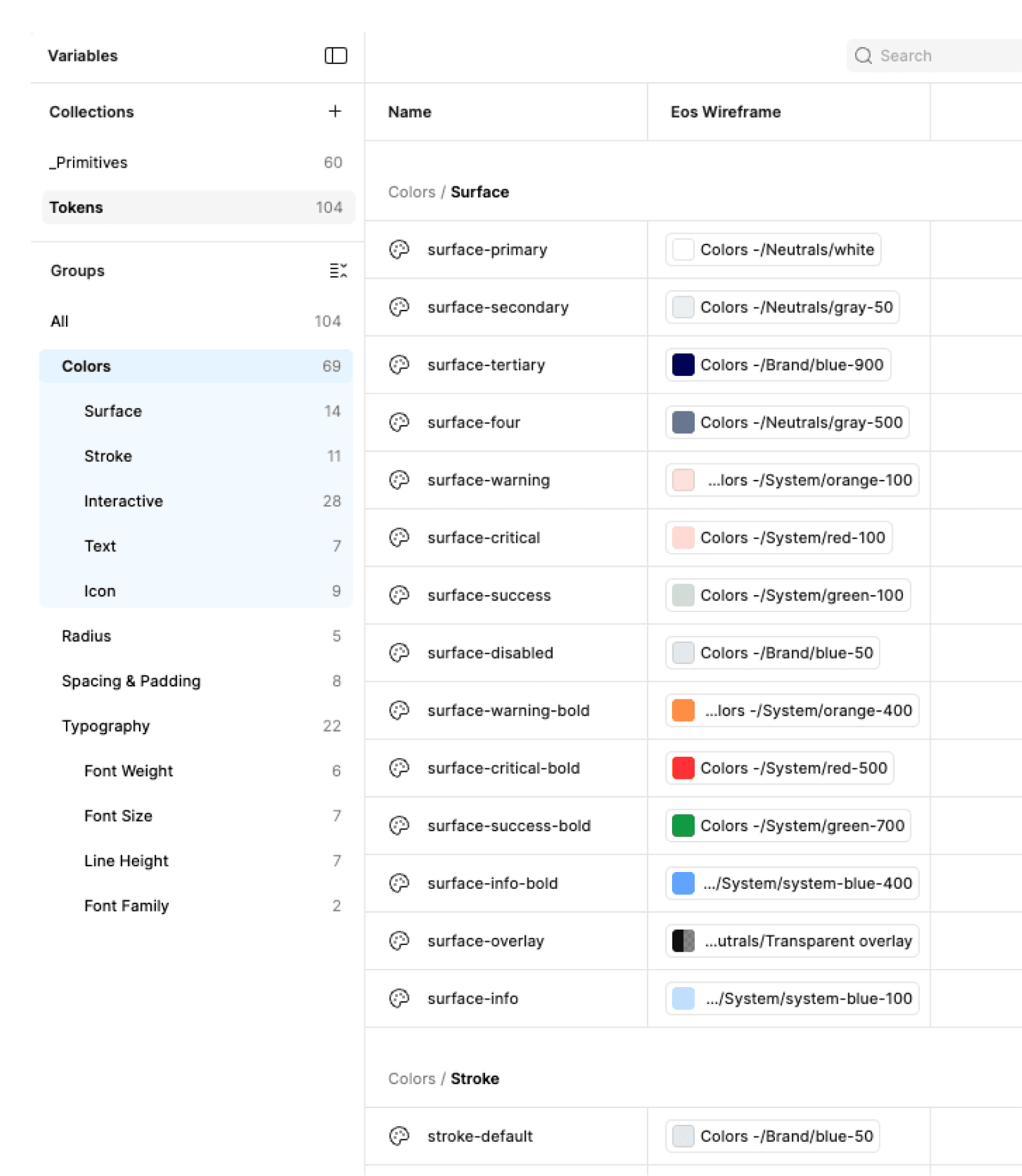
Would a shared design system mean we deliver white-labeled apps? The opposite.
Brand definition always comes first, with the system having to adapt to the brand, not the other way around. The goal was never to replace creative work but to eliminate the repetitive setup. The core library covers around 70% of components consistent across projects, leaving room to adapt or create new ones for each brand's needs.
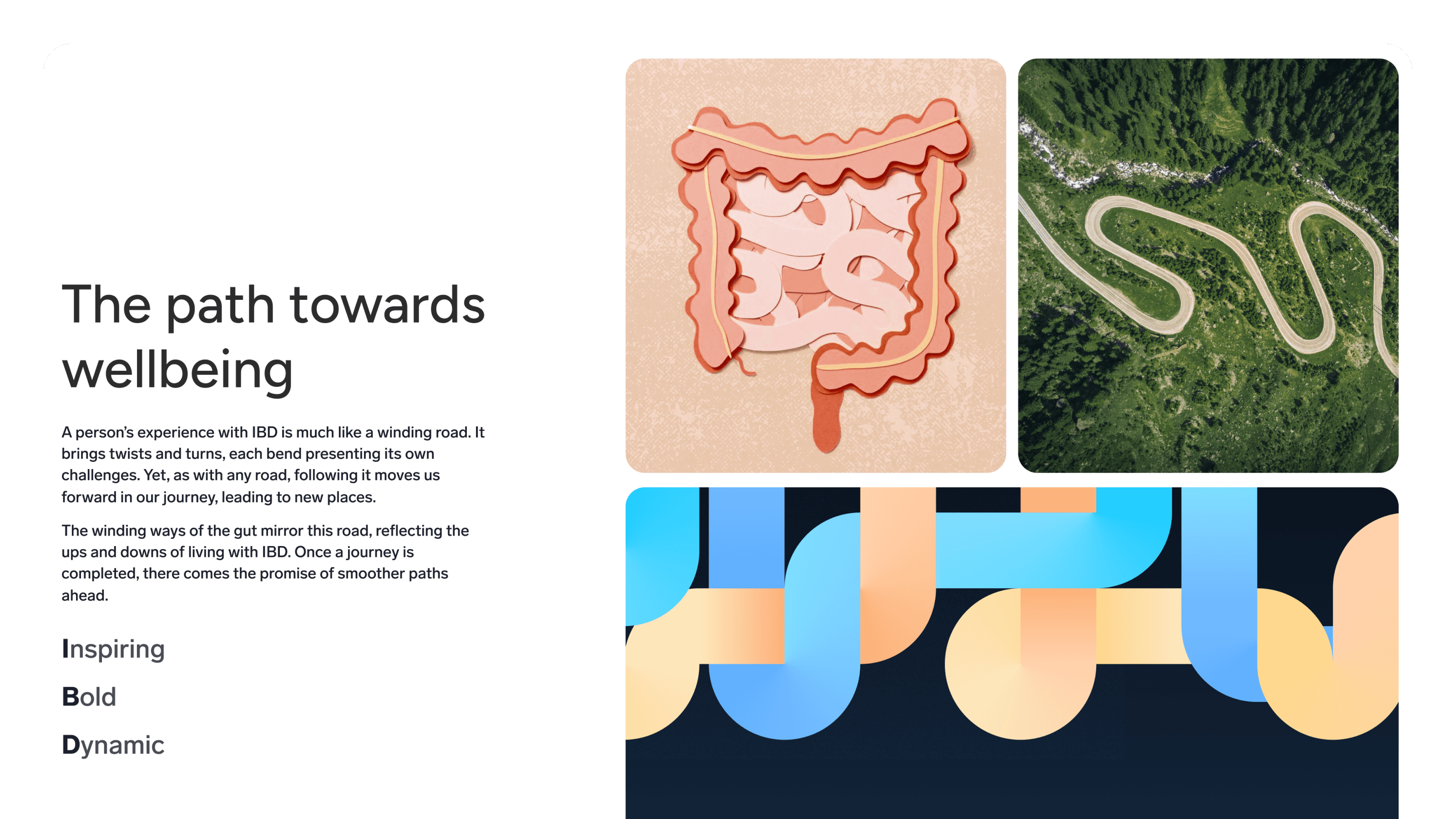
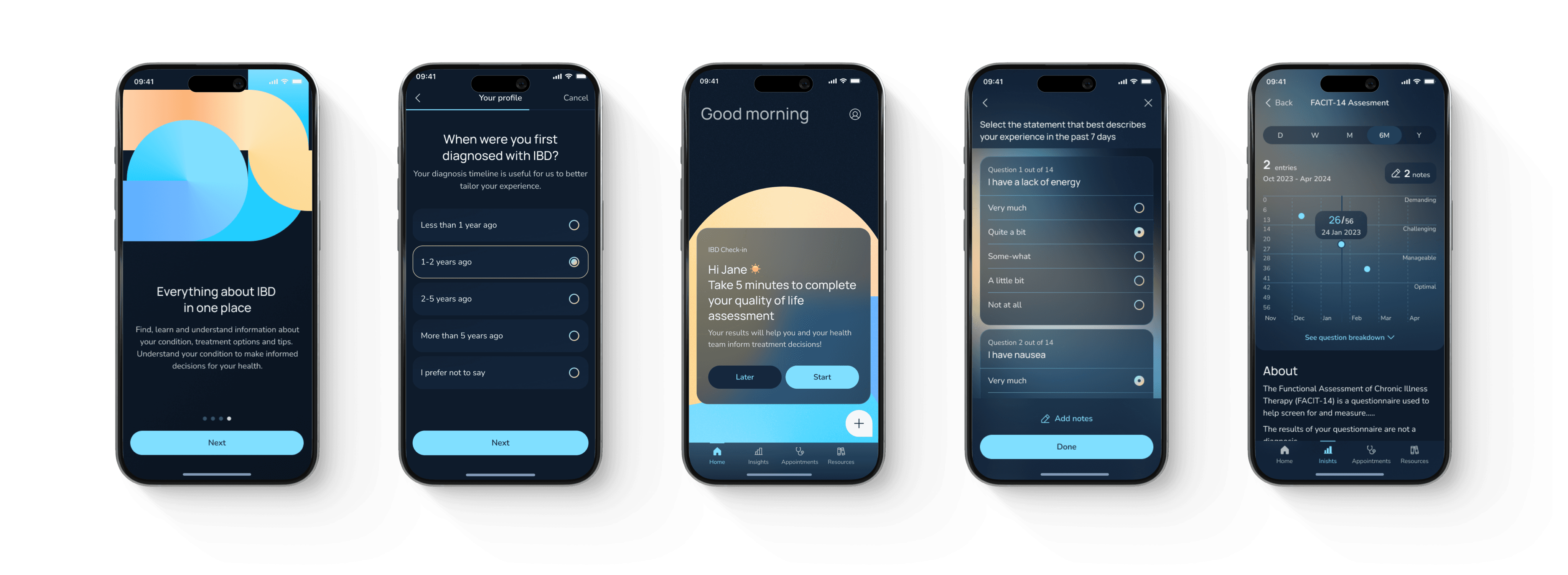
Here's how that looked in practice for my IBD client app:
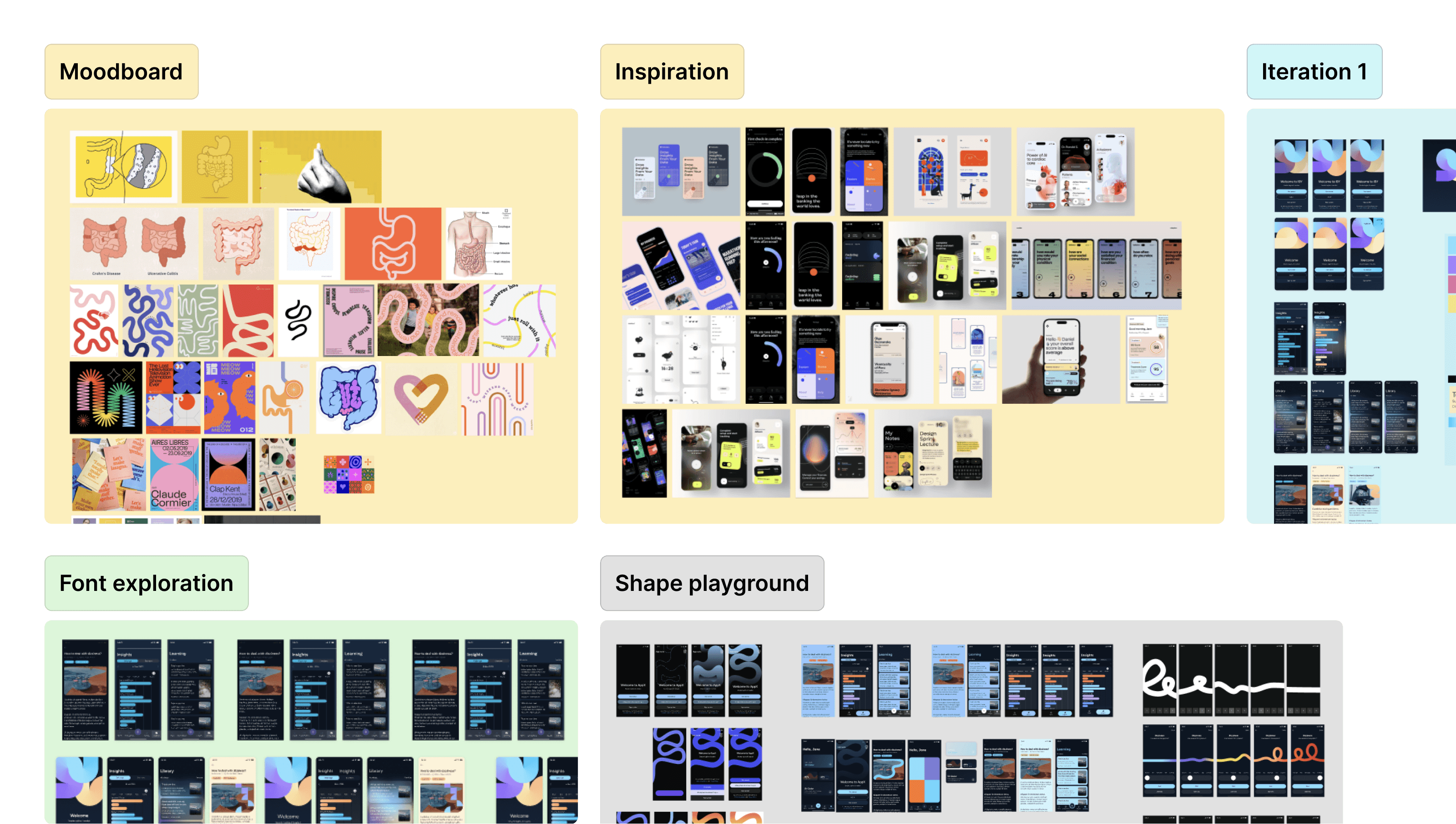
From a design tool to shared infrastructure across design and development
V1 solved the design team's problem. V2 extended it to developers. There was back and forth on how to structure the JSON files and align variable naming between design and code, but once that was settled, developers could implement components directly from the system. What started as a way to speed up design setup became a shared foundation for the whole product team.
The impact
The system cut project setup from weeks to days, and has since been used across more than 8 client projects, each with their own visual identity.
Today, there is a dedicated designer who maintains and grows the system, strengthening the connection between design, code, and delivery.